

As a dental practice manager in Toronto, you may keep seeing references to “HIPAA” in US software, vendor paperwork, or industry articles, and wonder if it applies to your clinic. The plain answer: HIPAA for dental practices is a U.S. federal health privacy law. For most Toronto clinics, it isn’t the rule you actually follow, but understanding it helps you evaluate vendors, software, and compliance in your own practice.
What is HIPAA?
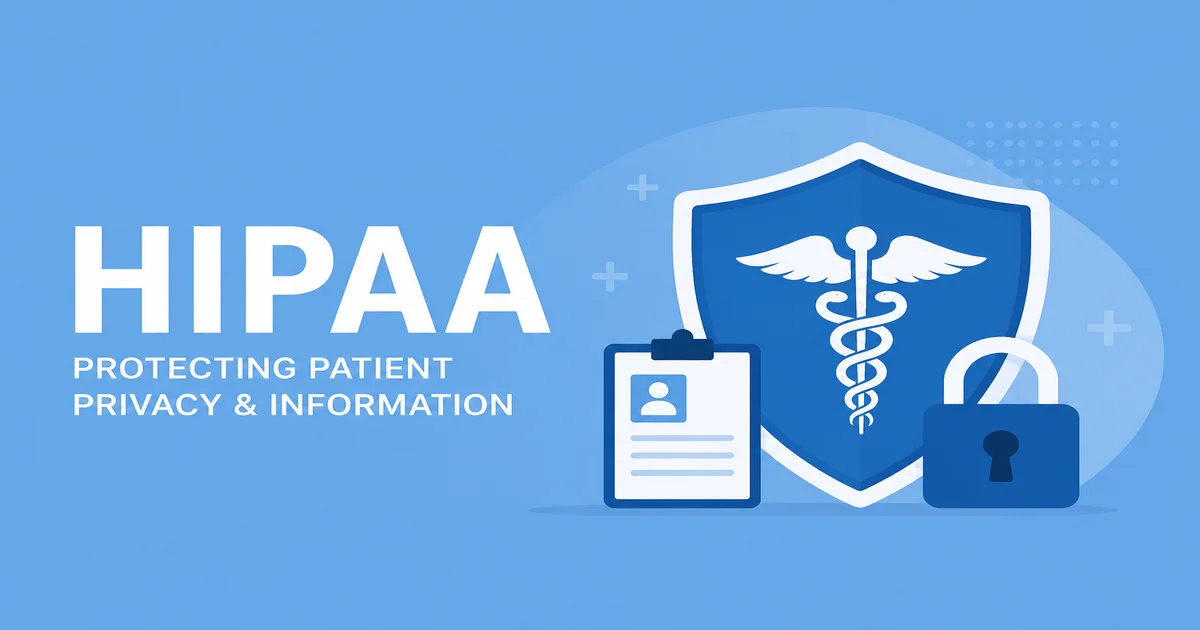
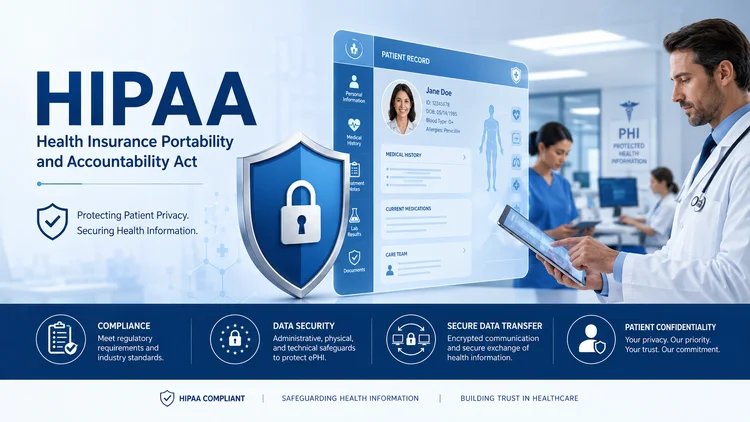
HIPAA protects patients’ health information (PHI) and applies to “covered entities”, most US dental offices, and the “business associates” that handle their data. It operates under three main rules: privacy, which governs how PHI is used and shared; security, which protects digital records; and breach notification, which ensures patients are notified if their information is exposed. These rules are designed to protect sensitive health data while allowing legitimate healthcare operations.
Does It Apply to a Toronto Clinic?
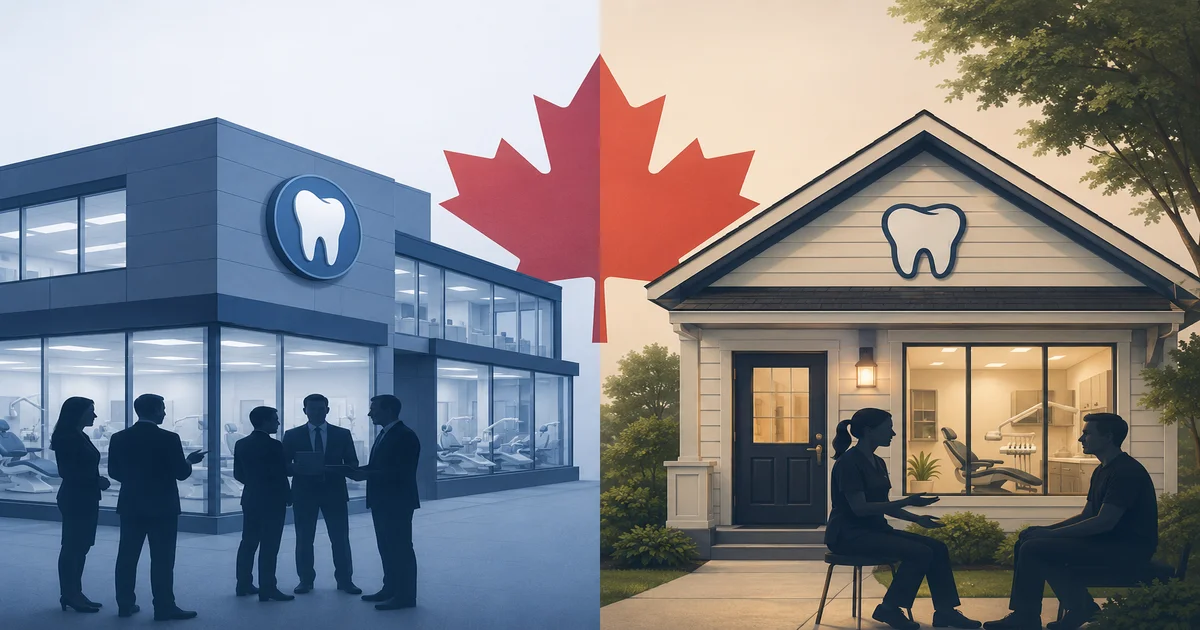
For typical Toronto practices serving Canadian patients and billing Canadian insurers, HIPAA does not apply. Exceptions exist only if you treat US patients and bill US insurers electronically, act as a business associate of a US provider, or sign a contract requiring HIPAA compliance. Otherwise, your obligations fall under Canadian privacy law.
Read more: 15 Best AI Chatbots for Dental Practices
The Rules You Actually Follow Here
Toronto dental clinics are considered Health Information Custodians under PHIPA, overseen by IPC Ontario. This means you must obtain patient consent before using or sharing health information, implement safeguards for records, and report breaches if they occur. The core logic mirrors HIPAA but applies under Canadian law.
On the federal side, PIPEDA applies, enforced by the Office of the Privacy Commissioner of Canada, and other provinces have similar legislation. The principle is the same: protect patient privacy, safeguard health data, and ensure accountability.
What a Breach Actually Costs
Consider a real example: Elite Dental Associates in Dallas paid $10,000 to the HHS Office for Civil Rights (OCR) in 2019 after exposing a patient’s details in a public Yelp reply. In addition, they had to follow a two-year corrective action plan. HIPAA penalties can scale steeply; annual caps reach into the millions depending on the severity. Even though Toronto clinics follow PHIPA/PIPEDA, breaches of patient data can carry serious reputational and legal costs, emphasizing the need for strict privacy compliance even through dental marketing.
Conclusion
Understanding HIPAA for dental practices helps Toronto clinic managers make informed decisions when evaluating software, vendors, or cross-border patient care. While HIPAA itself does not apply to most Canadian clinics, the principles behind it, protecting patient health information, remain critical.
Toronto dental clinics must comply with PHIPA and PIPEDA, ensuring patient consent, data security, and breach reporting are always prioritized. Maintaining strong privacy practices not only avoids legal consequences but also builds trust with patients, strengthens your reputation, and safeguards your clinic against costly errors.
For guidance on dental marketing compliance or to review your privacy policies and workflows, contact CMC Marketing Agency and ensure your clinic meets all regulatory requirements.
FAQ
Does HIPAA apply to my Toronto dental clinic?
Usually no. HIPAA applies to US practices or US patient data. Canadian clinics follow PHIPA and PIPEDA.
Which privacy law do Ontario dentists actually follow?
Ontario dentists follow PHIPA, enforced by IPC Ontario, and federally, PIPEDA applies for private sector operations.
Can I post patient before-and-after photos online?
Only with explicit patient consent and in accordance with PHIPA/PIPEDA regulations.
Is my US dental software a HIPAA problem?
It depends if it handles US patient data. For purely Canadian patient data, PHIPA and PIPEDA apply, though US software may have extra HIPAA features.